Plastic Body
Plastic Body

Frequently Asked Questions
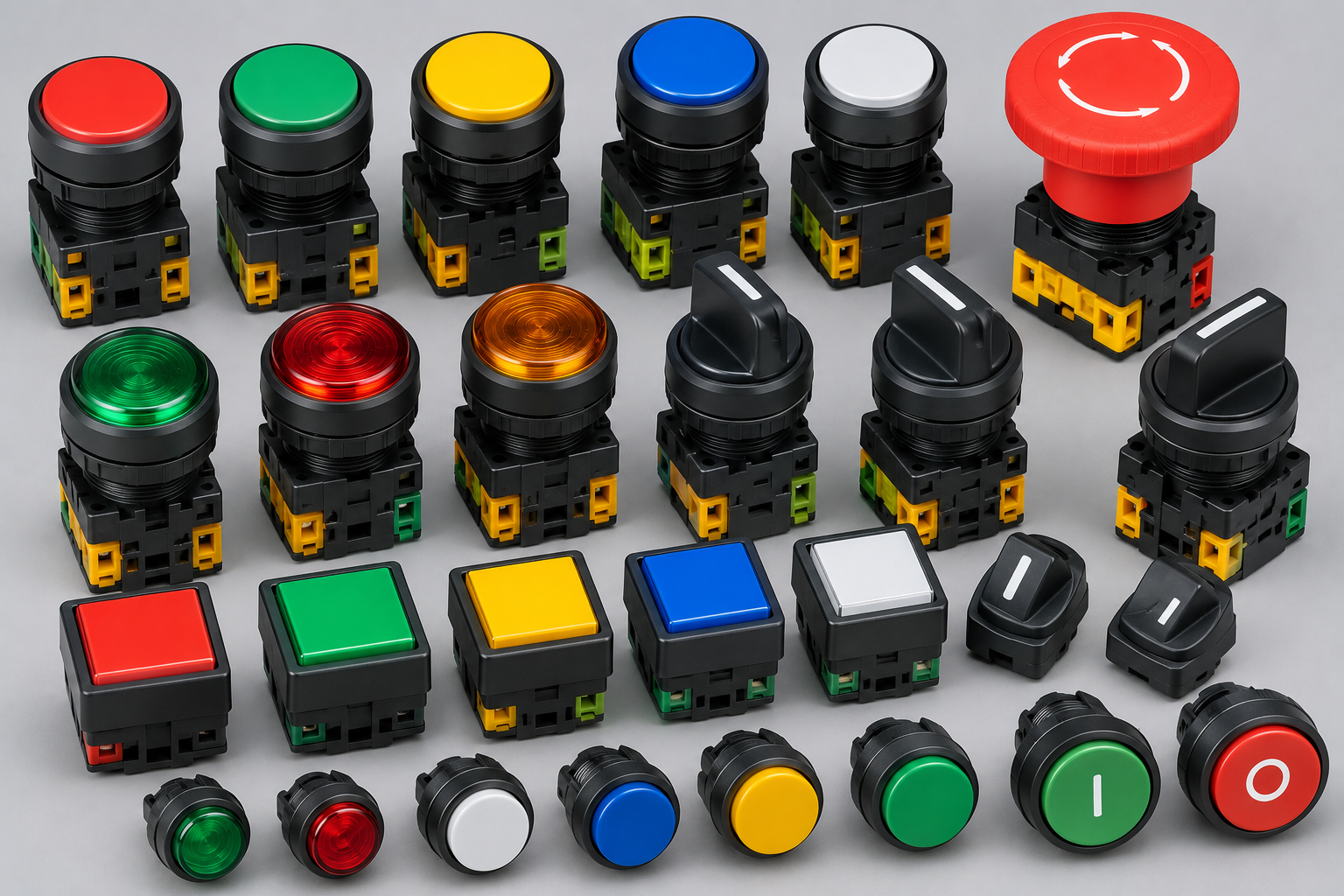
Plastic body refers to switches, push buttons, enclosures, or connectors constructed with a molded plastic housing instead of metal, offering a lightweight, cost-effective, and electrically insulated alternative for various panel and wiring applications.
Common materials include polycarbonate, ABS, and nylon, each chosen for properties such as impact resistance, heat tolerance, and durability suited to the specific demands of the electrical component being manufactured.
Plastic body components are generally lighter, more cost-effective, naturally non-conductive for added electrical safety, and resistant to corrosion, making them a practical choice where metal's weight or rust susceptibility isn't ideal.
While plastic bodies are engineered to withstand normal mechanical stress and everyday handling, metal body components generally offer greater resistance to heavy impact, extreme temperatures, or high-load mechanical applications where plastic may show wear sooner.
Yes, many plastic body components are molded with UV-stabilized and moisture-resistant properties, and when paired with proper IP-rated sealing, they perform reliably in outdoor, humid, or washdown industrial settings.
Yes, since plastic is naturally non-conductive, a plastic body reduces the risk of accidental electric shock through the housing itself, adding an inherent layer of insulation compared to bare metal enclosures.
Plastic body construction is commonly found in push buttons, selector switches, indicator lamps, junction boxes, wiring ducts, and smaller enclosure housings used across control panels and general electrical installations.
Yes, we supply plastic body components in bulk to panel manufacturers, switchgear assemblers, OEMs, and industrial buyers across Gujarat and India, including export orders. For pricing and details, contact us at +91 90237 59007, +91 81405 50607, or shreeshivaelectric@gmail.com.