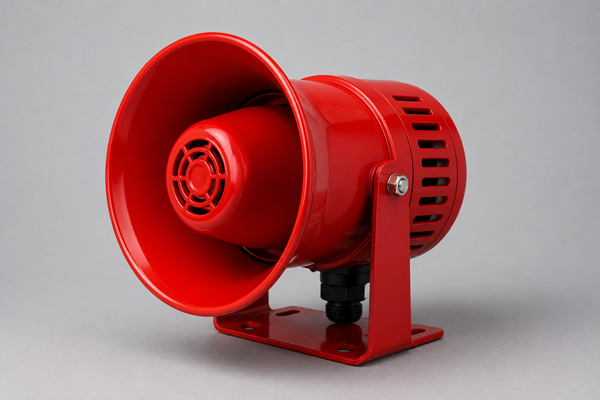
Electrical Siren Hooter
Electrical Siren Hooter

Frequently Asked Questions
Facilities use siren hooters because their high-decibel output can cut through heavy machinery noise and reach workers across large factory floors or outdoor sites, ensuring critical alerts aren't missed during emergencies or process events.
Depending on the model, it can generate a steady continuous tone, an intermittent pulsing beep, or a rising-falling wail, with some units offering multiple selectable patterns to distinguish between different alert types like fire, evacuation, or process warnings.
It is usually connected to the output terminals of a control panel, PLC, or fire alarm control unit, so that a triggering event such as a sensor activation or emergency switch automatically powers the hooter to sound.
Most industrial-grade units are designed to produce sound levels loud enough to be heard over typical factory background noise, with higher-output models used in larger facilities or outdoor environments requiring extended audible range.
Yes, many units include a manual test switch or button that allows technicians to verify the hooter's sound output and wiring integrity during routine maintenance checks without activating the entire alarm network.
They are commonly available in wall-mount, pole-mount, and panel-mount configurations, allowing flexible placement based on the facility layout and the area that needs audible coverage.
Yes, regular functional testing is generally recommended as part of facility safety protocols to confirm the hooter activates correctly and produces adequate volume, especially in fire alarm and emergency response systems.
Yes, our team assists customers in choosing the correct voltage, sound output, and mounting type for their facility. For guidance and bulk pricing, contact us at +91 90237 59007, +91 81405 50607, or shreeshivaelectric@gmail.com.