Digital Voltmeter
Digital Voltmeter

Frequently Asked Questions
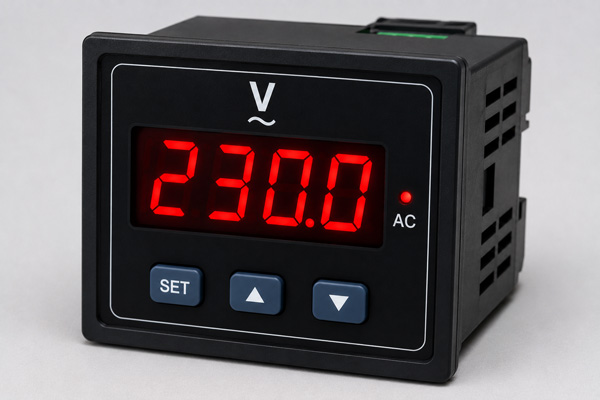
A digital voltmeter is an instrument used to measure the electrical potential difference between two points in a circuit, displaying the result as an exact numerical value on an electronic screen for quick and accurate voltage monitoring.
It converts the analog voltage input into a digital signal using an internal analog-to-digital converter, then processes and displays this value numerically, offering more consistent accuracy than mechanical needle-based designs.
Digital voltmeters usually have a high input impedance, which minimizes the current drawn from the circuit being tested, ensuring the measurement doesn't disturb or load down the circuit and affect the accuracy of the reading.
Many digital voltmeters are designed to measure both AC and DC voltage, though some models are built for a single voltage type, so selecting the correct version based on the application is important.
The chosen range should safely accommodate the maximum expected system voltage with adequate margin, preventing display errors or potential damage from voltage spikes beyond the meter's rated capacity.
Yes, periodic calibration against a known reference standard is recommended to ensure the voltmeter continues to provide precise and dependable readings, particularly in critical industrial monitoring applications.
Yes, they are widely designed in standard panel cutout sizes and are commonly integrated into switchgear, control panels, and distribution boards to provide continuous, real-time voltage monitoring for operators.
Yes, we supply digital voltmeters in bulk to panel manufacturers, switchgear assemblers, OEMs, and industrial buyers across Gujarat and India, including export orders. For pricing and details, contact us at +91 90237 59007, +91 81405 50607, or shreeshivaelectric@gmail.com.